



The cost of living in Ghana can be varied depending on the lifestyle you will build if you live there. The cost of living especially in Accra can get quite expensive if someone starts relying a lot on imported goods; but a lot of savings can be made by buying locally, knowing the best areas to rent, and knowing your best providers for utilities and transport.
This guide will follow recommendations for students, remote workers, expats and people returning to Ghana as well as for anyone who lives abroad as a diaspora but still wishes to help their family back in Ghana.
Firstly, we will look at the monthly Ghana ghosts across living costs, utilities, food, transport, healthcare and any hidden costs people don’t necessarily think about when talking about costs of living in Ghana and Accra
Quick breakdown of monthly living costs in Ghana

Source: The above are estimated costs based on estimated costs of living in Ghana.
As we can see, the cost of living in Accra is slightly more expensive than than the rest of Ghana. Accra generally has a higher rent range, more imported products and more options when it comes to night life and social expenses.
However, in both Accra and the rest of Ghana, the rent and utilities are the majority of the cost of living.
The day to day expenses in Ghana are usually calculated in the local currency, cedi (GHS). However, if you are planning ahead the monthly living budgets from abroad, you might be thinking in USD. If that’s the case, a more realistic monthly budget is calculated after taking the exchange rate and fees on top of the actual living costs.
A simple approach that Afriex recommends is to calculate monthly costs and then add in the exchange rates after converting in GHS:
- Create your monthly budgets based on the table above in USD (if calculating from abroad)
- Convert into GHS once a week for a few weeks in order to check for the average of the exchange rate
Rent Costs in Ghana: What drives the price of living in Accra and beyond
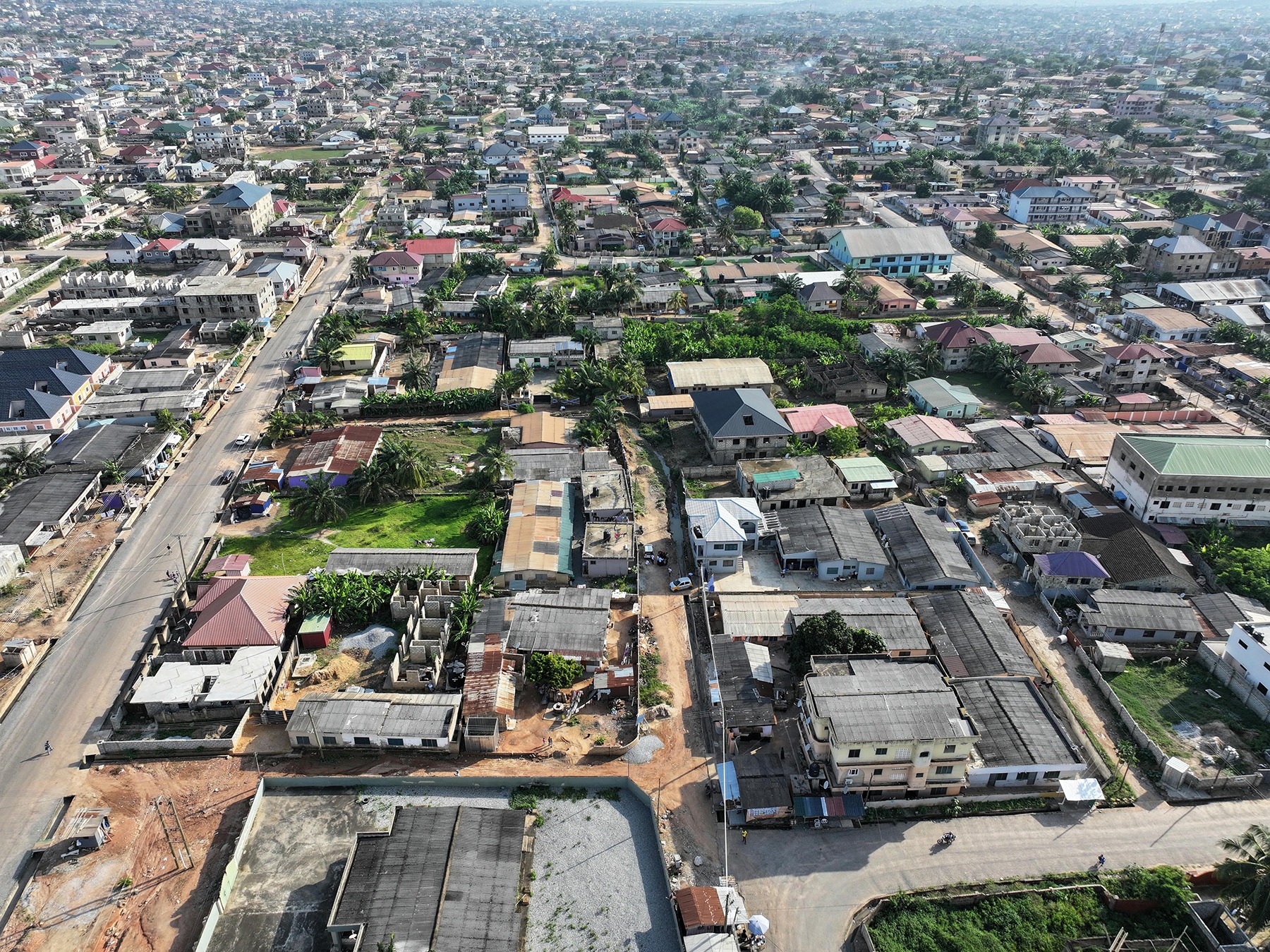
Rent can vary by a big margin depending on a few significant factors:
- Area neighbourhood (especially when talking about rent in Accra)
- Furnished vs unfurnished households
- Proximity to main road and business sectors
- Water reliability per area
Rent outside of Accra is generally cheaper and you can get a bigger place for the same money. However, living outside of Accra can mean:
- Added commuting time if you work in the capital
- Fewer “expat” options
- Internet reliability can vary depending on the area
One thing to mention before moving on to the food costs in Ghana is that in there are a few months in Ghana where the weather changes dramatically, with some months peaking at 40+ degrees celsius. This can change the living costs dramatically, with electricity and water being influences by power variability to keep up with these changes.
Markets Vs Supermarkets in Ghana
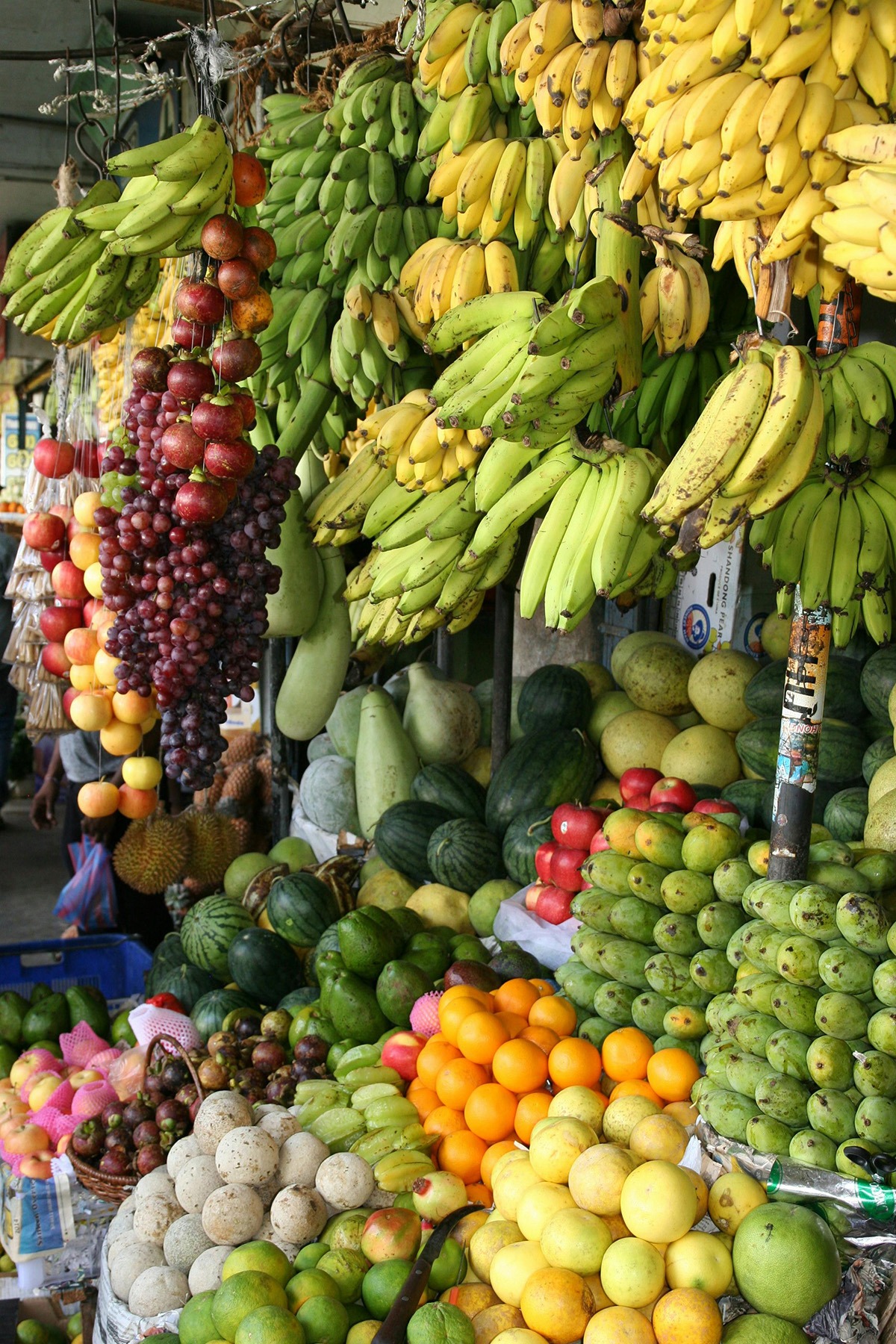
Buying locally, keeping up with seasonal produce and avoiding imported food from supermarkets can help save a lot when considering living costs in Ghana, Accra and surrounding areas.
Supermarkets are generally priced for convenience, where imported products push costs up when compared with locally produced vegetables and produce. Local foods like waakye, banku, kenkey, fufu Ghana and jolof rice can help save money as opposed to eating out in high-end places around Accra. Most foods have street food equivalents and a lot of recipes can drive the cost of groceries down if everything is purchased in local markets instead of chain supermarkets.
Healthcare, Transport and Education in Ghana: Public Vs Private
Transport, healthcare and even education costs can vary a lot depending on several factors, but most importantly on the type of facilities: private or public.
In terms of transportation, a good way to think about the cost is time: The length of commute and the speed and convenience at which travel is made will drive the cost up or down.
Options for transport in Ghana can include:
- Shared, public transport
- Taxis
- Personal car (with costs revolving around fuel, repairs and other types of maintenance
For healthcare costs in Ghana, if budgeting around family support, we should plan in a healthcare cost in the monthly money transfers in order to not meet unplanned emergencies that cannot be covered financially or that may force a bigger, urgent transfer that can incur extra fees.
Similar to the healthcare and transport in Ghana, education monthly living costs can be relative cheap if going public. However, the private counterpart can make the living costs in ghana jump by quite a bit.
Family Emergencies and Celebrations
One of the big reasons why money moves abroad is not necessarily to do with monthly living costs in Ghana. There sometimes come moments within families that are to be celebrated or unplanned.
Weddings, engagements, traditions and ceremonies produce some of the biggest money flows overseas, with costs covering things from clothing and food to travel costs and living contributions for people to fly in and be together in these important family moments.
Then there are the unplanned moments. A health issue, a sudden hospital bill, a funeral contribution, travel needed at short notice, a family business emergency, or repairs that can’t be delayed (roof leaks, flooding, power problems, replacing a phone for work or school). These are the emergency happenings where families need to solve immediately which cause the most unexpected transfer and exchange fees.
For this reason, similar to the buffer we recommend for the weather variability that can cause shifts in living costs month-by month, we recommend for a emergency fund to be regularly transferred if supporting family in Ghana.
How to send money predictably to Ghana
In our guide on how to send money abroad every month, we go in-depth on the best ways to calculate transfer and exchange fees.
Understanding the cost of living in Ghana is only half the picture for many families. The other half is how money moves month to month especially for people supporting relatives from the US, UK, and other expat heavy countries.
One-off transfers are easy. The hidden costs usually appear with recurring transfers: small fees you don’t notice, exchange rates that shift, weekend conversions that aren’t truly “live,” or payout methods that create friction for the person receiving the money.
The simplest approach is to treat monthly transfers like a routine:
- calculate the “true cost” as fees + exchange-rate markup
- aim to send on weekdays for more consistent rate behaviour
- pick delivery methods that match real-life use (bank deposit vs mobile money)
- set up recurring payments, then track fee, rate, delivery time, and amount received for 3 months
Once you’ve proven a setup is reliable for your corridor, you stop second guessing it—and the monthly support becomes predictable for everyone.
Afriex was built for sending money abroad to Africa. We make monthly international transfers straightforward and we avoid all the headaches that come with wire transfers through clear rates and app-first experience.
Download the Afriex app on iOS or android to set up smarter, cheaper, and more reliable international money transfers today.


.svg)
.svg)
.svg)
.svg)
.svg)
.svg)
.svg)
.svg)
.svg)
.svg)
.svg)
.svg)
.svg)
.svg)
.svg)
.svg)
.svg)
.svg)
.svg)
.svg)
.svg)
.svg)
.svg)
.svg)
.svg)
.svg)
.svg)
.svg)
.svg)
.svg)
.svg)
.svg)
.svg)
.svg)
.svg)
.svg)
.svg)
.svg)
.svg)
.svg)
.svg)
.svg)
.svg)
.svg)
.svg)
.svg)


.png)

.png)