Finance

How to Send Money Abroad Every Month

Read Time
read
TABLE OF CONTENT (we use H2, H3, H4)
Subscribe to the Afriex newsletter
Thank you! Your submission has been received!
Oops! Something went wrong while submitting the form.

How to Send Money Abroad Every Month

Sending a one-off money transfer abroad is easy. However, sending regular, monthly international money transfers is where people start losing money without noticing.

Picking the best choice is important in order to avoid tiny fees that add up, exchange rates that change week to week, transfers that land late, or apps that are not fully transparent until the transfer is actually completed.

If you’re supporting family by sending money overseas (especially in Africa), you want a monthly routine that’s simple and consistent.

In this guide, we will go through the best practices on how to set up monthly international transfers that are predictable, transparent and practical. 

What Matters Most for International Money Transfers Every Month
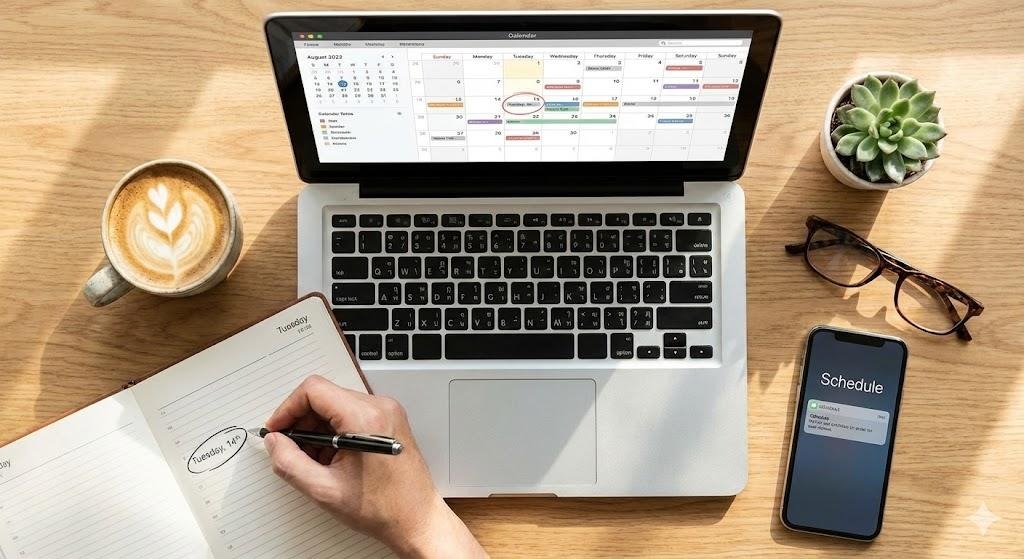
Small fees are not noticeable in one-off money transfers, however, regular payments overseas can incur a high cost that is manageable with proper research on the best service to use. Three things that you can track during the research phase usually include:

  • a visible transfer fee
  • best times to send money abroad to avoid high exchange rates
  • any hidden charges for the sending or receiving parties

Additionally, we need to keep in mind that not all corridors will have the same costs. Sending money from the US or the UK to Nigeria will not have the same costs as sending to Ghana, Kenya, or South Africa. 

Delivery speed, processing, payout options and verification steps might vary depending on the route. 

Therefore it is important to pick the best option not depending on the fact that it works but taking in account all the extra charges, fees and rates that might not be noticeable at first. 

A transfer can be successful but inconvenient for the receiving party if it is difficult to access. For example, a bank deposit might be perfect for someone but in some cases mobile money or payout options might be the better choice that makes the money available quicker. The receiving method sometimes matters just as much as the sending method.

International Money Transfer Fees vs Exchange Rates

"The real cost of sending money overseas is calculated as fees+exchange rate markup"

Some services will make money by promising the smallest transaction fees but offering a worse exchange rate than alternatives.

That is why you should choose the right provider based on transparency where the service clearly displays the final conversion fees and rates before you confirm the transaction. 

Transfer fees vs exchange rate markups (the real cost)

This is the best way to calculate the real cost of the transaction: 

  1. How much you pay in your currency
  2. How much the receiving currency values
  3. The exchange rate fee
  4. The total fee shown before the transfer

If a provider makes it difficult to see these costs and rates upfront that is a red flag that shouldn't be ignored. 

Similarly, be cautious when using providers that promise "0 fees". Usually the fees are in a higher exchange rate. Over a year, monthly money transfers with high exchange rates can cost more using providers that promise no transaction fees.

Weekend Exchange Rates can Affect International Money Transfers

If you are making cross border payments during the weekend you might not be getting a live market exchange rate. 

There is the wrong notion that sending money during the weekend incurs a "weekend fee". This fee actually happens due to the fact that currency markets close during the weekend. Forex markets, the markets where the currency is exchanged, are available for trading 24 hours a week except weekends.

We advise against setting up transaction that happen during the weekend. Currency exchange markets don't work the same way during the weekends and the exchange rate that may be used might be the one that is live on market open on Monday. 

Furthermore, some service providers may use a less favourable exchange rate during the weekend in order to increase the transaction margin that they use to turn their profits.

Set your regular payments to happen on a weekday

If sending money to family abroad doesn't need to happen on a Saturday or a Sunday it is better to set your monthly send day for a weekday (Monday-Thursday to be sure).

The Simple Monthly Routine For International Money Transfers

Choose local currency payouts to reduce extra charges

The best way to reduce additional charges is to use a provider that deposits money using local currency delivery methods. This way, the payouts reduce friction, payment delays and makes it easy for the recipient to use the money instantly. 

If you are thinking to set up regular monthly international money transfers to Africa you should consider a money transfer app that supports:

  • the local currencies of the receiving party
  • the payout method people actually use

In 2026, app-based transfers are generally better and quicker than wire services. This is especially true when considering recurring international payments. This is because the process is clearer, faster and there are often methods to set up recurring automated payments without much hassle or micromanagement.

Manage your monthly transfers with a recurring payments

Once you find a service provider that you're happy with in terms of functionality, transparency and rates, you should find a way to automate your payments to family abroad. The best methods to use are recurring transfers or scheduled payments if you are in the US. If you are in the UK, you should look to use standing orders.

You can change, pause or completely stop this kind of automated payments anytime. 

Track your total costs for 3 months

Sending money back home doesn't have to be stressful. If you track your payments for 3 months you will be able to prove that your initial choices were correct. We advice tracking your regular transfers for 3 months: 

  • amount sent
  • fee charged
  • exchange rate used
  • amount received
  • delivery time

Once you prove that your chosen provider is reliable for your corridor you can stop second guessing your automated setup every month.

For UK Users: Standing Order vs Direct Debit for Monthly International Money Transfers

The Standing Order (usually best for sending money home on a monthly basis)

A standing order means that you instruct your bank to send a fixed amount on a regular basis. This is usually on a day of the week that you specify.

Direct debit (usually best for making commercial payments)

A direct debit means that you authorise a company to pull money from your bank. This implies that the company controls the timing and the amount of the transactions. Usually when you want to stop a direct debit you will need to cancel the services though the company's portal. 

The difference between a standing order and a direct debit is who controls the regular transactions.

Avoid Delays or Holds on International Money Transfers

Keeping things clear can reduce the amount of times that international transfers meet compliance misunderstandings. The goal shouldn't be to attempt to avoid attention but to keep things transparent so nothing turns into a stressful situation.

Use clear references and keep basic records

If you are sending money to family abroad or overseas, use clear payment references:

Additionally, we advise to keep basic records such as:

  • transfer receipts
  • a simple note reasoning the international transfer
  • any relevant proof such as tuition fees or bills

Rules vary by country. It is important to note that regular payments can trigger routine checks. We advise you to be prepared in order to avoid headaches down the line.

However, if you are sending larger amounts of money or if the situation is complex it would be best to check with a qualified financial advisor.

Conclusion

If you send money back home on a regular basis the trick is to create a system you trust.

  • transparent fees and clear exchange rates
  • avoid weekend transfers for more consistent rates
  • local currency payouts so your recipient can access money instantly
  • automated payments to remove the stress
  • basic records for your peace of mind

Make Monthly International Transfers Simple With Afriex App

Afriex was built for sending money abroad to Africa. We make monthly international transfers straightforward and we avoid all the headaches that come with wire transfers through clear rates and app-first experience. 

Download the Afriex app on iOS or android to set up smarter, cheaper, and more reliable international money transfers today.

Subscribe to the Afriex newsletter
Thank you! Your submission has been received!
Oops! Something went wrong while submitting the form.
TABLE OF CONTENT
Subscribe to our newsletter
Read about our privacy policy.
Thank you! Your submission has been received!
Oops! Something went wrong while submitting the form.

How to Send Money Abroad Every Month

Sending a one-off money transfer abroad is easy. However, sending regular, monthly international money transfers is where people start losing money without noticing.

Picking the best choice is important in order to avoid tiny fees that add up, exchange rates that change week to week, transfers that land late, or apps that are not fully transparent until the transfer is actually completed.

If you’re supporting family by sending money overseas (especially in Africa), you want a monthly routine that’s simple and consistent.

In this guide, we will go through the best practices on how to set up monthly international transfers that are predictable, transparent and practical. 

What Matters Most for International Money Transfers Every Month

Small fees are not noticeable in one-off money transfers, however, regular payments overseas can incur a high cost that is manageable with proper research on the best service to use. Three things that you can track during the research phase usually include:

  • a visible transfer fee
  • best times to send money abroad to avoid high exchange rates
  • any hidden charges for the sending or receiving parties

Additionally, we need to keep in mind that not all corridors will have the same costs. Sending money from the US or the UK to Nigeria will not have the same costs as sending to Ghana, Kenya, or South Africa. 

Delivery speed, processing, payout options and verification steps might vary depending on the route. 

Therefore it is important to pick the best option not depending on the fact that it works but taking in account all the extra charges, fees and rates that might not be noticeable at first. 

A transfer can be successful but inconvenient for the receiving party if it is difficult to access. For example, a bank deposit might be perfect for someone but in some cases mobile money or payout options might be the better choice that makes the money available quicker. The receiving method sometimes matters just as much as the sending method.

International Money Transfer Fees vs Exchange Rates

"The real cost of sending money overseas is calculated as fees+exchange rate markup"

Some services will make money by promising the smallest transaction fees but offering a worse exchange rate than alternatives.

That is why you should choose the right provider based on transparency where the service clearly displays the final conversion fees and rates before you confirm the transaction. 

Transfer fees vs exchange rate markups (the real cost)

This is the best way to calculate the real cost of the transaction: 

  1. How much you pay in your currency
  2. How much the receiving currency values
  3. The exchange rate fee
  4. The total fee shown before the transfer

If a provider makes it difficult to see these costs and rates upfront that is a red flag that shouldn't be ignored. 

Similarly, be cautious when using providers that promise "0 fees". Usually the fees are in a higher exchange rate. Over a year, monthly money transfers with high exchange rates can cost more using providers that promise no transaction fees.

Weekend Exchange Rates can Affect International Money Transfers

If you are making cross border payments during the weekend you might not be getting a live market exchange rate. 

There is the wrong notion that sending money during the weekend incurs a "weekend fee". This fee actually happens due to the fact that currency markets close during the weekend. Forex markets, the markets where the currency is exchanged, are available for trading 24 hours a week except weekends.

We advise against setting up transaction that happen during the weekend. Currency exchange markets don't work the same way during the weekends and the exchange rate that may be used might be the one that is live on market open on Monday. 

Furthermore, some service providers may use a less favourable exchange rate during the weekend in order to increase the transaction margin that they use to turn their profits.

Set your regular payments to happen on a weekday

If sending money to family abroad doesn't need to happen on a Saturday or a Sunday it is better to set your monthly send day for a weekday (Monday-Thursday to be sure).

The Simple Monthly Routine For International Money Transfers

Choose local currency payouts to reduce extra charges

The best way to reduce additional charges is to use a provider that deposits money using local currency delivery methods. This way, the payouts reduce friction, payment delays and makes it easy for the recipient to use the money instantly. 

If you are thinking to set up regular monthly international money transfers to Africa you should consider a money transfer app that supports:

  • the local currencies of the receiving party
  • the payout method people actually use

In 2026, app-based transfers are generally better and quicker than wire services. This is especially true when considering recurring international payments. This is because the process is clearer, faster and there are often methods to set up recurring automated payments without much hassle or micromanagement.

Manage your monthly transfers with a recurring payments

Once you find a service provider that you're happy with in terms of functionality, transparency and rates, you should find a way to automate your payments to family abroad. The best methods to use are recurring transfers or scheduled payments if you are in the US. If you are in the UK, you should look to use standing orders.

You can change, pause or completely stop this kind of automated payments anytime. 

Track your total costs for 3 months

Sending money back home doesn't have to be stressful. If you track your payments for 3 months you will be able to prove that your initial choices were correct. We advice tracking your regular transfers for 3 months: 

  • amount sent
  • fee charged
  • exchange rate used
  • amount received
  • delivery time

Once you prove that your chosen provider is reliable for your corridor you can stop second guessing your automated setup every month.

For UK Users: Standing Order vs Direct Debit for Monthly International Money Transfers

The Standing Order (usually best for sending money home on a monthly basis)

A standing order means that you instruct your bank to send a fixed amount on a regular basis. This is usually on a day of the week that you specify.

Direct debit (usually best for making commercial payments)

A direct debit means that you authorise a company to pull money from your bank. This implies that the company controls the timing and the amount of the transactions. Usually when you want to stop a direct debit you will need to cancel the services though the company's portal. 

The difference between a standing order and a direct debit is who controls the regular transactions.

Avoid Delays or Holds on International Money Transfers

Keeping things clear can reduce the amount of times that international transfers meet compliance misunderstandings. The goal shouldn't be to attempt to avoid attention but to keep things transparent so nothing turns into a stressful situation.

Use clear references and keep basic records

If you are sending money to family abroad or overseas, use clear payment references:

Additionally, we advise to keep basic records such as:

  • transfer receipts
  • a simple note reasoning the international transfer
  • any relevant proof such as tuition fees or bills

Rules vary by country. It is important to note that regular payments can trigger routine checks. We advise you to be prepared in order to avoid headaches down the line.

However, if you are sending larger amounts of money or if the situation is complex it would be best to check with a qualified financial advisor.

Conclusion

If you send money back home on a regular basis the trick is to create a system you trust.

  • transparent fees and clear exchange rates
  • avoid weekend transfers for more consistent rates
  • local currency payouts so your recipient can access money instantly
  • automated payments to remove the stress
  • basic records for your peace of mind

Make Monthly International Transfers Simple With Afriex App

Afriex was built for sending money abroad to Africa. We make monthly international transfers straightforward and we avoid all the headaches that come with wire transfers through clear rates and app-first experience. 

Download the Afriex app on iOS or android to set up smarter, cheaper, and more reliable international money transfers today.

Text Link

Lorem ipsum dolor sit amet, consectetur adipiscing elit. Suspendisse varius enim in eros elementum tristique. Duis cursus, mi quis viverra ornare, eros dolor interdum nulla, ut commodo diam libero vitae erat. Aenean faucibus nibh et justo cursus id rutrum lorem imperdiet. Nunc ut sem vitae risus tristique posuere.

How to Send Money Abroad Every Month

Sending a one-off money transfer abroad is easy. However, sending regular, monthly international money transfers is where people start losing money without noticing.

Picking the best choice is important in order to avoid tiny fees that add up, exchange rates that change week to week, transfers that land late, or apps that are not fully transparent until the transfer is actually completed.

If you’re supporting family by sending money overseas (especially in Africa), you want a monthly routine that’s simple and consistent.

In this guide, we will go through the best practices on how to set up monthly international transfers that are predictable, transparent and practical. 

What Matters Most for International Money Transfers Every Month

Small fees are not noticeable in one-off money transfers, however, regular payments overseas can incur a high cost that is manageable with proper research on the best service to use. Three things that you can track during the research phase usually include:

  • a visible transfer fee
  • best times to send money abroad to avoid high exchange rates
  • any hidden charges for the sending or receiving parties

Additionally, we need to keep in mind that not all corridors will have the same costs. Sending money from the US or the UK to Nigeria will not have the same costs as sending to Ghana, Kenya, or South Africa. 

Delivery speed, processing, payout options and verification steps might vary depending on the route. 

Therefore it is important to pick the best option not depending on the fact that it works but taking in account all the extra charges, fees and rates that might not be noticeable at first. 

A transfer can be successful but inconvenient for the receiving party if it is difficult to access. For example, a bank deposit might be perfect for someone but in some cases mobile money or payout options might be the better choice that makes the money available quicker. The receiving method sometimes matters just as much as the sending method.

International Money Transfer Fees vs Exchange Rates

"The real cost of sending money overseas is calculated as fees+exchange rate markup"

Some services will make money by promising the smallest transaction fees but offering a worse exchange rate than alternatives.

That is why you should choose the right provider based on transparency where the service clearly displays the final conversion fees and rates before you confirm the transaction. 

Transfer fees vs exchange rate markups (the real cost)

This is the best way to calculate the real cost of the transaction: 

  1. How much you pay in your currency
  2. How much the receiving currency values
  3. The exchange rate fee
  4. The total fee shown before the transfer

If a provider makes it difficult to see these costs and rates upfront that is a red flag that shouldn't be ignored. 

Similarly, be cautious when using providers that promise "0 fees". Usually the fees are in a higher exchange rate. Over a year, monthly money transfers with high exchange rates can cost more using providers that promise no transaction fees.

Weekend Exchange Rates can Affect International Money Transfers

If you are making cross border payments during the weekend you might not be getting a live market exchange rate. 

There is the wrong notion that sending money during the weekend incurs a "weekend fee". This fee actually happens due to the fact that currency markets close during the weekend. Forex markets, the markets where the currency is exchanged, are available for trading 24 hours a week except weekends.

We advise against setting up transaction that happen during the weekend. Currency exchange markets don't work the same way during the weekends and the exchange rate that may be used might be the one that is live on market open on Monday. 

Furthermore, some service providers may use a less favourable exchange rate during the weekend in order to increase the transaction margin that they use to turn their profits.

Set your regular payments to happen on a weekday

If sending money to family abroad doesn't need to happen on a Saturday or a Sunday it is better to set your monthly send day for a weekday (Monday-Thursday to be sure).

The Simple Monthly Routine For International Money Transfers

Choose local currency payouts to reduce extra charges

The best way to reduce additional charges is to use a provider that deposits money using local currency delivery methods. This way, the payouts reduce friction, payment delays and makes it easy for the recipient to use the money instantly. 

If you are thinking to set up regular monthly international money transfers to Africa you should consider a money transfer app that supports:

  • the local currencies of the receiving party
  • the payout method people actually use

In 2026, app-based transfers are generally better and quicker than wire services. This is especially true when considering recurring international payments. This is because the process is clearer, faster and there are often methods to set up recurring automated payments without much hassle or micromanagement.

Manage your monthly transfers with a recurring payments

Once you find a service provider that you're happy with in terms of functionality, transparency and rates, you should find a way to automate your payments to family abroad. The best methods to use are recurring transfers or scheduled payments if you are in the US. If you are in the UK, you should look to use standing orders.

You can change, pause or completely stop this kind of automated payments anytime. 

Track your total costs for 3 months

Sending money back home doesn't have to be stressful. If you track your payments for 3 months you will be able to prove that your initial choices were correct. We advice tracking your regular transfers for 3 months: 

  • amount sent
  • fee charged
  • exchange rate used
  • amount received
  • delivery time

Once you prove that your chosen provider is reliable for your corridor you can stop second guessing your automated setup every month.

For UK Users: Standing Order vs Direct Debit for Monthly International Money Transfers

The Standing Order (usually best for sending money home on a monthly basis)

A standing order means that you instruct your bank to send a fixed amount on a regular basis. This is usually on a day of the week that you specify.

Direct debit (usually best for making commercial payments)

A direct debit means that you authorise a company to pull money from your bank. This implies that the company controls the timing and the amount of the transactions. Usually when you want to stop a direct debit you will need to cancel the services though the company's portal. 

The difference between a standing order and a direct debit is who controls the regular transactions.

Avoid Delays or Holds on International Money Transfers

Keeping things clear can reduce the amount of times that international transfers meet compliance misunderstandings. The goal shouldn't be to attempt to avoid attention but to keep things transparent so nothing turns into a stressful situation.

Use clear references and keep basic records

If you are sending money to family abroad or overseas, use clear payment references:

Additionally, we advise to keep basic records such as:

  • transfer receipts
  • a simple note reasoning the international transfer
  • any relevant proof such as tuition fees or bills

Rules vary by country. It is important to note that regular payments can trigger routine checks. We advise you to be prepared in order to avoid headaches down the line.

However, if you are sending larger amounts of money or if the situation is complex it would be best to check with a qualified financial advisor.

Conclusion

If you send money back home on a regular basis the trick is to create a system you trust.

  • transparent fees and clear exchange rates
  • avoid weekend transfers for more consistent rates
  • local currency payouts so your recipient can access money instantly
  • automated payments to remove the stress
  • basic records for your peace of mind

Make Monthly International Transfers Simple With Afriex App

Afriex was built for sending money abroad to Africa. We make monthly international transfers straightforward and we avoid all the headaches that come with wire transfers through clear rates and app-first experience. 

Download the Afriex app on iOS or android to set up smarter, cheaper, and more reliable international money transfers today.

Related Articles

No items found.

Heading 1

Heading 2

Heading 3

Heading 4

Heading 5
Heading 6

Lorem ipsum dolor sit amet, consectetur adipiscing elit, sed do eiusmod tempor incididunt ut labore et dolore magna aliqua. Ut enim ad minim veniam, quis nostrud exercitation ullamco laboris nisi ut aliquip ex ea commodo consequat. Duis aute irure dolor in reprehenderit in voluptate velit esse cillum dolore eu fugiat nulla pariatur.

Block quote

Ordered list

  1. Item 1
  2. Item 2
  3. Item 3

Unordered list

Text link

Bold text

Emphasis

Superscript

Subscript