


In the UK, an automated teller goes by plenty of nicknames. You’ll hear “cash machine”, “cashpoint”, or the classic “hole in the wall”. Whatever you call it, its job is simple: quick access to cash when you need it. And even with contactless payments everywhere, cash still plays a vital role for many people. In fact, some reports have found that over half of UK shoppers still prefer cash for certain retail purchases, even in recent years.
Still, using an ATM can feel a bit tricky sometimes. Fees, limits, and small details can change from one machine to another. And those differences matter, especially if you’re trying to manage your money carefully. At Afriex, we speak daily with people who juggle day-to-day spending in the UK while also supporting family abroad. Knowing how cash access works helps you avoid unnecessary costs and stress.
By the end of this guide, you’ll feel confident using any ATM you come across in the UK. You’ll know what to expect, and what to double-check, before you tap “withdraw”.
What Does ATM Stand For?
ATM Meaning
ATM stands for Automated Teller Machine. It’s a self-service banking terminal you can use day or night. With a card, you can withdraw cash, do a balance check, and move money between accounts. Many machines also let you deposit cash, depending on the bank and location.
ATMs first appeared in the 1960s, and they’ve only become more common since. You’ll spot them almost anywhere, like shopping centres and really, any street corners.
Automated Banking Machine vs Automated Teller Machine
In practice, an ATM and an ABM are usually the same thing. Both terms describe a self-service machine that lets you do basic banking without having to interact with a cashier. The difference is mostly about naming, not technology. “Automated Teller Machine” (ATM) is the most widely used term internationally. Meanwhile, “Automated Banking Machine” (ABM) shows up more often in Canada and in Canadian bank materials.
That said, people sometimes use “ABM” to emphasise broader banking features. For example, bank-owned ABMs often support more than cash withdrawals. They may also support balance checks and other account tasks. However, modern ATMs can offer these features too, depending on the operator.
Keep in mind that the name doesn’t control your limits or costs. Your cash withdrawal limit depends on your bank and the machine settings. Also, fees vary by operator, so always read the on-screen prompts. But we’ll get into that moving forward.
Finding an ATM Near You (24/7 vs Limited)
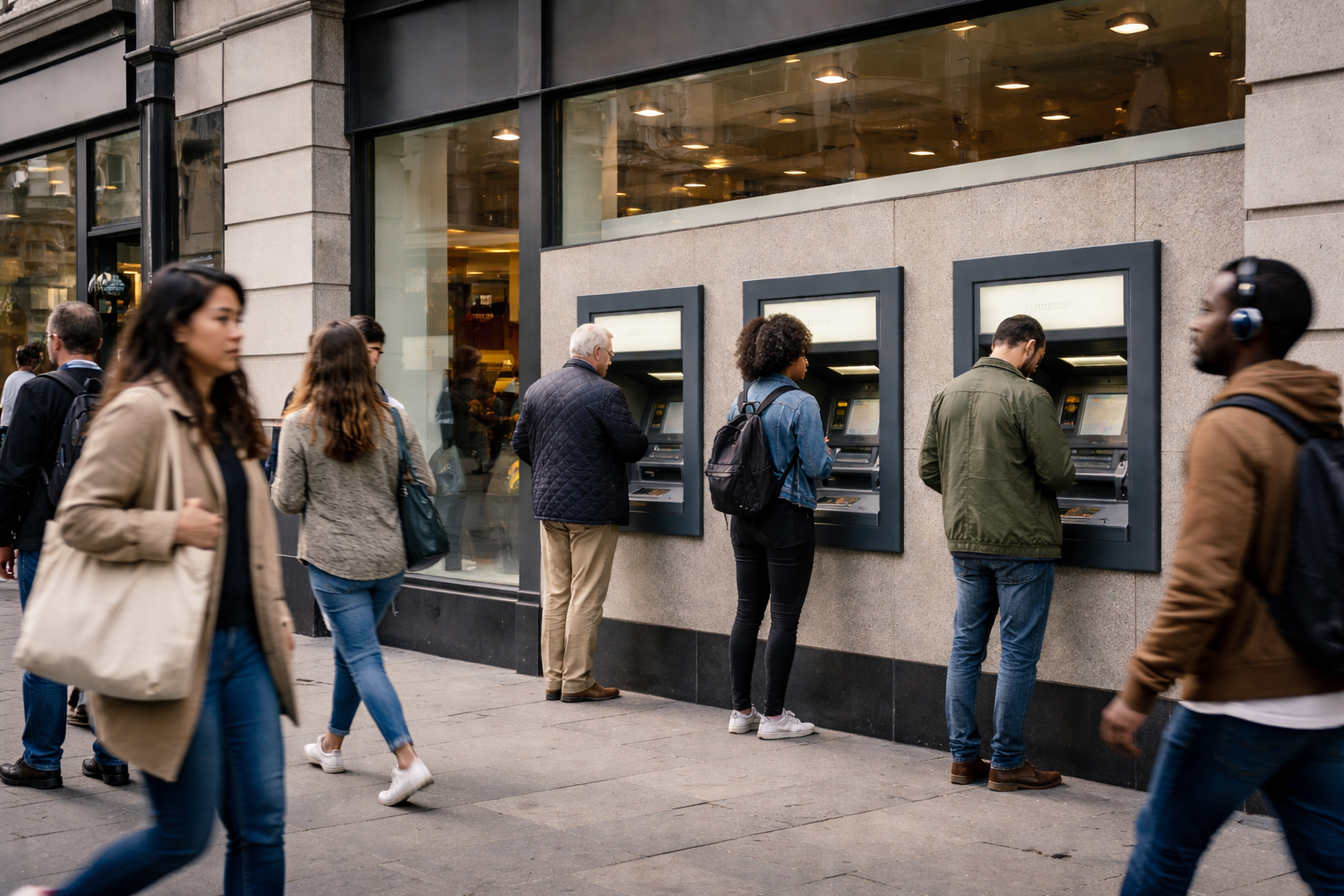
In the UK, finding an ATM machine open shouldn’t be a difficult task. You’ll often see them in bank lobbies, outside branches, and near post offices. They also show up in supermarkets, petrol stations, hotels, and other everyday spots.
If you want the quickest route to the closest ATM in your region, use the Mastercard ATM locator. It’s one of the most reliable ways to search by town or postcode. And you can also set search preferences, such as accessibility filters.
The main difference you’ll notice between ATMs is access time. Many outdoor through-the-wall machines stay available 24/7. In contrast, machines inside a bank lobby, shop, or petrol station can follow the building’s opening hours. That’s why you could be directed to a nearby ATM, and then see it’s not usable late at night. So always check for opening schedule.
It also helps to use more than one source when you’re in a hurry. Some bank apps show nearby machines and whether they support services like deposits. The Post Office also offers its own locator, including 24-hour ATM listings in some areas.
How to Use an ATM
Types of Automated Tellers
These machines differ in who runs them, what they offer, and what they cost. The most common split is free-to-use versus pay-to-use automated teller machines. Free-to-use ones do not charge an operator fee for a standard withdrawal. Pay-to-use machines add a visible charge, which you must accept before the cash comes out. Charges must be shown clearly on-screen, and you should be able to cancel the operation without paying anything.
And of course, you will also see a difference in ownership. As we mentioned earlier, some ATMs are run by banks and building societies. Others are run by independent operators. The Payment Systems Regulator notes that UK cash machine operators include banks and independent ATM deployers.
Using An ATM Machine With Card (Step-By-Step)
This may sound cautious, but before you use an automated teller, take a moment to look around. And if possible, choose a well-lit machine. Also check the screen for any fee notice, because independent machines may charge more than bank machines.
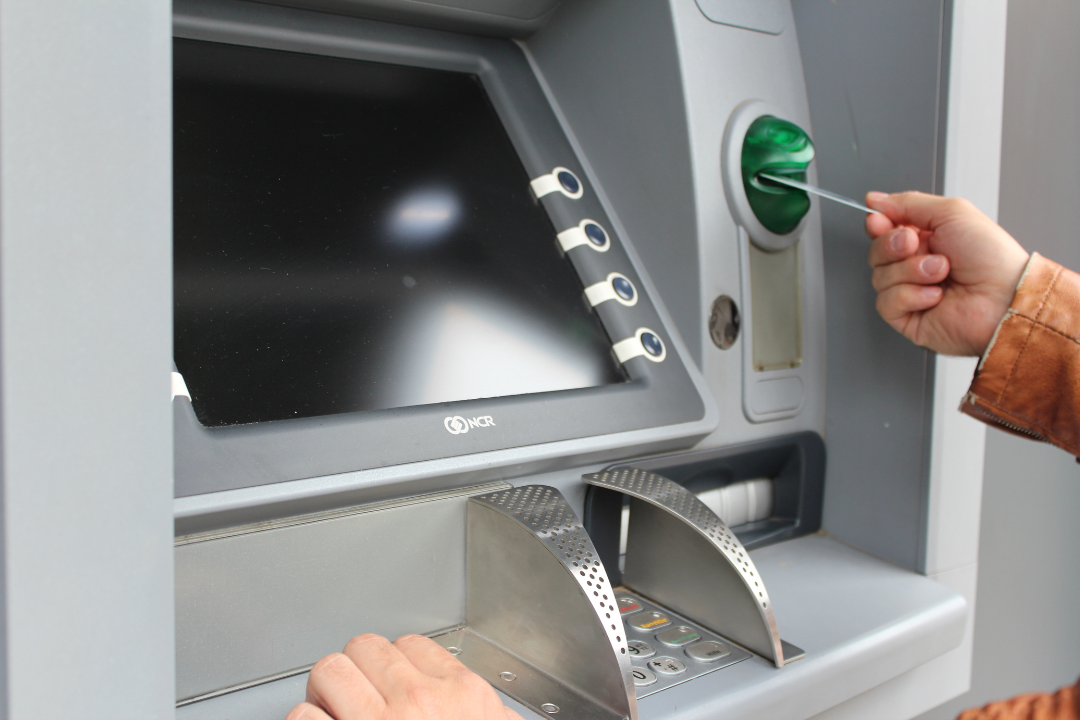
Start by inserting your card into the slot, or following the on-screen prompt. Next, choose your transaction on the screen. Then enter your PIN using the keypad. You may cover the keypad as you type, in case there are people waiting in line and stay too close to you. After that, select “Cash withdrawal” and choose the amount. Confirm the details on screen, including any fee. Finally, take your cash from the dispenser and collect your receipt if you need it. And don’t forget to remove your card at the end. Some machines return the card first, while others return it last.
If anything feels weird, just know you can stop using the ATM at any time you want by cancelling the transaction and find another machine.
How to Withdraw Cash Without Card
Some machines support newer and more functional features, that come in handy for busy people that are in a rush. These so called “cardless atm machines” let you withdraw cash without a card using a banking app and a one-time code. Availability depends on your bank and the machine. For example, NatWest’s “Get Cash” feature allows withdrawals without the physical card, within set limits.
The steps are pretty straightforward. You should open your bank app and generate a cash withdrawal code. Then go to a compatible cash machine and choose the option to withdraw with a code. Enter the code, confirm the amount, and collect the cash.
If your bank does not offer cardless ATM withdrawals, there are still some options available to you. For instance, LINK’s “cash at the till” service lets you withdraw small amounts in participating shops.
Can You Use a Credit Card at an ATM?
Yes, in many cases you can use a credit card at an ATM. However, the transaction usually counts as a cash advance, not a standard purchase. That difference matters because it often changes the fees, interest, and limits you will face. We’d honestly recommend not using tour credit card at an ATM.
Start by checking whether the automated teller accepts your card network. Most UK ATMs accept Visa and Mastercard, and the machine will display the supported logos on-screen or on the fascia. If you aren’t sure, your bank can confirm whether your card works for cash withdrawals. Also, you can use card-network locators to find compatible machines when you are travelling.
How Much Cash Can Be Withdrawn from an ATM
Well, the annoying answer is that it depends. The limit comes from three places. First, your bank sets a daily cash withdrawal limit. Second, the machine may cap each withdrawal. Third, and most obvious one, you can only take what’s available in your account.
Most banks set daily limits to reduce the risk of large unauthorised withdrawals. These limits usually reset each day. In some cases, you can ask your bank to lower the limit for extra security.
For UK cash withdrawals, the daily numbers vary by bank and account type. For example, HSBC lists standard daily limits from £300 to £1,000, depending on the account. HSBC Bank and Basic accounts are £300, Advance is £500, and Premier is £1,000. NatWest limits are £250, £300, or £750 per day, depending on your account. And of course, you can contact them if you need a higher limit for cash withdrawal. With a Lloyds debit card, you can withdraw up to £800 per day at a cash machine. That figure applies to their debit card limit, not necessarily every card product.
Also keep in mind that the maximum withdrawal from an ATM can be lower than your daily bank limit. Many machines restrict the amount per transaction. So you might need two withdrawals to reach your daily total. And with credit cards, you can withdraw cash, but it’s usually treated as a cash advance. That often comes with a separate withdrawal cash limit, plus fees and interest, which can vary by provider.
Automated Teller Fees for Cash Withdrawals
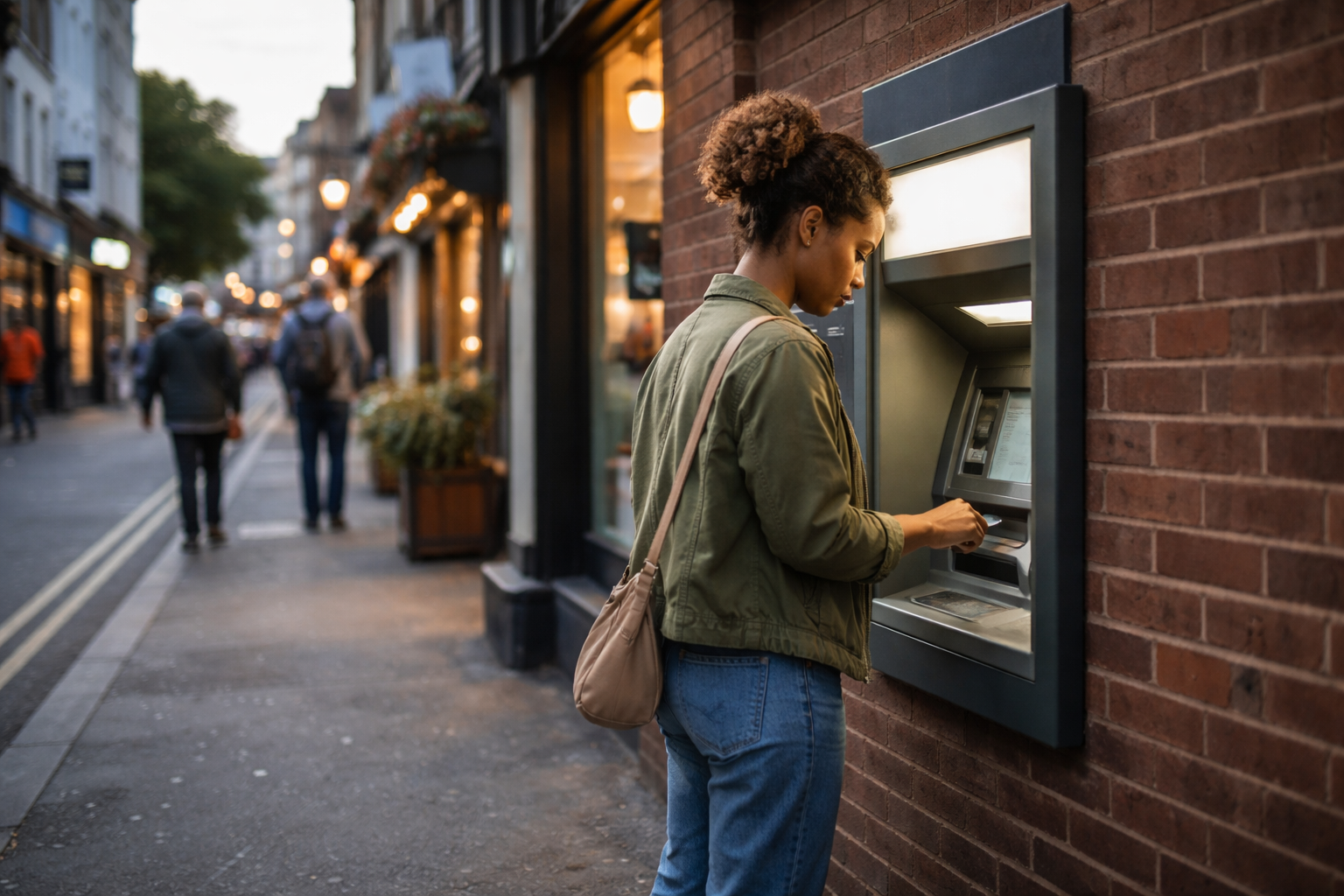
Most UK cash withdrawals are still free at the point of use. In the LINK network, around 95% of withdrawals are free for consumers. That’s because card-issuing banks pay the operator an interchange fee behind the scenes.
However, some automated teller machine withdrawals do come with a charge. As we already discussed, these are usually called pay-to-use ATMs. The operator adds a fee, and the screen must show it before you confirm. And if you do not like the fee, you can easily cancel the transaction.
Fees vary by location and operator. Many pay-to-use machines charge around £1–£2 per withdrawal, but some can be higher. You may see fees closer to £3–£5 in certain places.
It’s also important to separate ATM fees from bank fees. Even if the machine is free, unfortunately your bank may still charge you. This practice is more common when you use a foreign card, or when your account has overseas withdrawal charges. And you may also pay a foreign exchange fee.
When you withdraw abroad, watch for dynamic currency conversion (DCC). The ATM may offer to bill you in your home currency. That option can include extra fees or a weaker exchange rate. If you can, we advise you to choose the local currency instead. The LINK Cash Locator can display operator charges for many machines.
Can You Deposit Cash at an ATM in the UK?
Yes, you can usually do that, but not at every automated teller. Many UK machines are withdrawal-only, even if they are placed outside a branch. To deposit cash, you usually need your own bank’s ATM that supports deposits.
After connecting your card to the ATM, the screen will show a “Deposit” or “Paying in” option if it’s available. If you do not see that option, the machine likely cannot accept cash deposits. If the option is available, you will simply choose the account you want to credit. After that, feed the bills into the cash slot and confirm the amount on screen.
If you cannot find a deposit-enabled ATM, check your bank’s other options. Luckily, your bank might support cash deposits through partner locations, such as Post Office counters.
Can You Transfer Money Using an Automated Teller in UK?
Yes, sometimes you can transfer money using an automated teller in the UK. However, it depends on your bank and the specific machine. Many ATMs focus on withdrawals and balance checks. Bank-branded ATMs, especially those in branches, are more likely to offer transfers.
When the feature is available, it usually means transfers between your own accounts. For example, you may be able to move money from a current account to a savings account.
It’s also worth being clear about what automated tellers don’t handle well. Most UK ATMs will not let you send an international bank transfer to someone else’s account. For that, people usually use online banking or a specialist service. So if your goal is international money transfers, you will normally need an app or online platform instead of a cash machine. For instance, transfers with Afriex are completed in just a few minutes. By using modern payment infrastructure instead of slow banking chains, Afriex reduces the delays caused by intermediary banks. This makes it a strong option if you need to send money from the US to Africa quickly and reliably.
If you cannot find the transfer option, don’t instantly assume something is wrong. You can try another machine owned by your bank, or use your banking app, which is the preferred method for most people and what we would suggest you to use for transferring money abroad.
ATM Security: Skimming Risks and What to Watch For
Most people use an automated teller without any issues. Still, we encourage you to stay vigilant, especially in unfamiliar areas.
There are a few things you can do to stay alert. You can start by choosing a well-lit and busy location whenever possible. ATMs inside bank lobbies, supermarkets, or large shops often feel safer than isolated machines outside. And if you are searching for an ATM late at night, prioritise places with cameras, with people passing by, so you’re not isolated.
Another good habit is protecting your PIN whenever you enter it. Stand close to the machine and cover the keypad as you type. Also watch for anyone standing too close behind you. If someone crowds your space or distracts you, and you don’t want to interact with them, you should cancel the transaction and use another ATM. And in case you are comfortable enough, you can simply ask them for some space, in an assertive and grounded way, so they don’t take it personally.
Also, you should check the machine itself. Skimming usually involves criminals fitting a fake card reader or hidden camera to capture card details and PINs. If the card slot looks loose, bulky, or unusual, do not insert the card. The same applies if the keypad looks raised, sticky, or tampered with. If the ATM looks damaged or “out of order”, we encourage you to walk away, without interacting with it in any way.
Finally, trust your instincts and act quickly if something goes wrong. If the machine keeps your card, contact your bank immediately or freeze your card through the app. In general, it is also worth turning on transaction alerts, so you can spot suspicious transactions and report them straight away.

Final Thoughts
An automated teller is still one of the simplest ways to access cash quickly. It also supports more than withdrawals, depending on the machine. Many people rely on it for deposits, bill payments, and basic account tasks.
That being said, not every ATM works the same way. Some machines are free, while others charge a clear operator fee. Limits also vary, so you should plan ahead. Your bank most definitely sets a daily cash withdrawal limit, and the machine may set its own cap. If you need to take out more money from your account, your bank may adjust the limit for cash withdrawal if you request it. Some banks support cardless atm machines, so you can withdraw cash without a physical card using an app. But of course, availability depends on your bank and the ATM operator.
Finally, stay vigilant without becoming too anxious or stressed. Always choose a safe location, protect your PIN when typing it, and watch out for odd signs that could mean the ATM is being “supervised” by skimmers. If something looks wrong, listen to your intuition, cancel the ongoing operation and find another open atm machine nearby. Even if it gets frustrating and you are in a hurry, we assure you that being cautious will save you from awful situations that could potentially occur. So don’t take unnecessary risks; it’s not worth it.
And when cash isn’t truly necessary, it helps to know your alternatives. At Afriex, we focus on making it easier to send money to Africa from the UK without added pressure. We prioritize the safety and security of our users' personal information above all. Afriex is Payment Card Industry Data Security Standard (PCI DSS) compliant, which demonstrates its commitment to maintaining a high level of security.
Download the Afriex app on your iOS or android to manage your money smarter in the UK.


.svg)
.svg)
.svg)
.svg)
.svg)
.svg)
.svg)
.svg)
.svg)
.svg)
.svg)
.svg)
.svg)
.svg)
.svg)
.svg)
.svg)
.svg)
.svg)
.svg)
.svg)
.svg)
.svg)
.svg)
.svg)
.svg)
.svg)
.svg)
.svg)
.svg)
.svg)
.svg)
.svg)
.svg)
.svg)
.svg)
.svg)
.svg)
.svg)
.svg)
.svg)
.svg)
.svg)
.svg)
.svg)
.svg)


.png)

.png)