Yellow Card kills retail crypto - African fintechs pivot to B2B stablecoin payment rails
Afriex Insights

Yellow Card Just Killed Its Retail Product. The Reason Should Change How Your Business Moves Money.

Read Time
read
TABLEΒ OFΒ CONTENT (we use H2, H3, H4)
Subscribe to the Afriex newsletter
Thank you! Your submission has been received!
Oops! Something went wrong while submitting the form.

I'll be honest β€” when I saw the TechCabal headline about Yellow Card shutting down its retail trading product, my first reaction wasn't surprise. It was recognition.

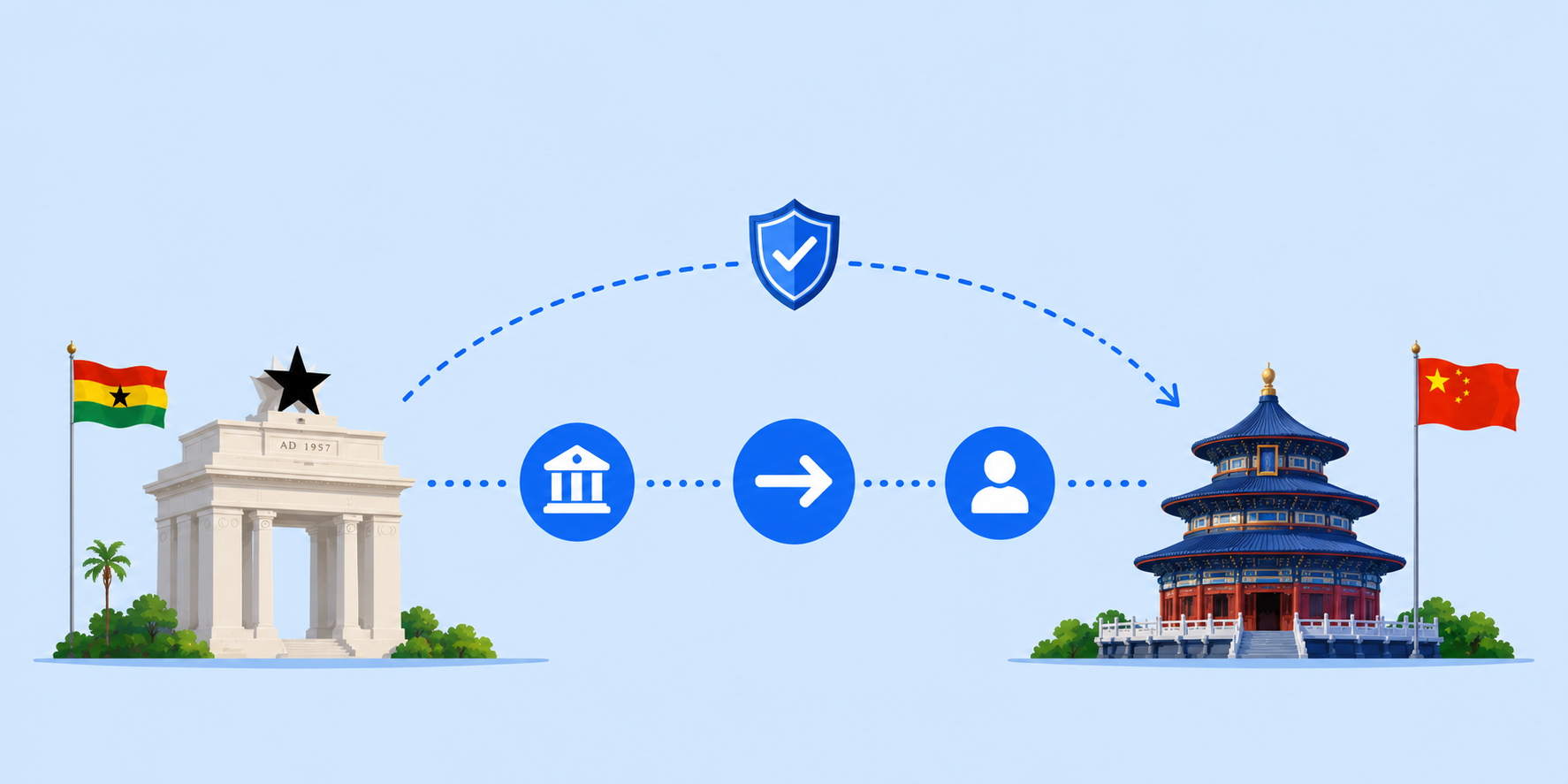
We've watched this happen in slow motion across the continent. Busha, Roqqu, Luno β€” the retail crypto dream in Africa isn't dying because crypto failed. It's dying because the people building these companies finally looked at where the actual pain was, and it wasn't the guy buying Bitcoin on his phone. It was the importer in Lagos trying to pay a supplier in Guangzhou without losing a week and 7% of his money in the process.

That's the business these companies are pivoting toward. And if you run a company that moves money across African borders, this shift matters more than most of the fintech news you'll read this year.

The correspondent banking system was already broken. Most businesses just learned to live with it.

Here's what cross-border payments still look like for most African businesses in 2026: you need to pay a supplier. You gather your Form A or Form M documentation, walk it into the bank, and wait. Your payment routes through one correspondent bank, sometimes two or three. Each one takes a cut. Each one adds a day.

By the time your supplier receives the money, you've typically lost between 3–7% to fees and FX spread, and four to seven business days have passed. If your local currency moved against you during that window β€” and if you're dealing in naira, cedi, or kwacha, it probably did β€” you've lost more.

The World Bank has tracked this for years. Sub-Saharan Africa has the highest remittance costs in the world, averaging over 7.9% as of late 2025. And that's personal remittances. Business payments are usually worse β€” more compliance overhead, more intermediaries, less transparent pricing.

What's changed isn't the problem. What's changed is that stablecoin infrastructure has matured to the point where a compliant alternative actually exists.

Two headlines from the same week that you should read together

South Africa's National Treasury published a draft bill that would bring crypto under exchange controls for the first time. Unauthorized cross-border crypto transactions could mean fines up to a million rand and five years in prison. Public comment closes May 18.

The same week, Western Union announced it's launching its own stablecoin β€” USDPT β€” next month.

Those two things are not contradictions. They're the same story. Stablecoins are becoming regulated financial infrastructure. The informal operators get pushed out. The compliant ones get legitimized. Western Union isn't doing this because stablecoins are interesting. They're doing it because they can see what the next decade of money movement looks like and they don't want to be left on the wrong side of it.

For African businesses, this is actually good news. The tools for paying suppliers across borders are becoming more reliable, more regulated, and more interoperable with traditional banking. The window where this was a grey area is closing β€” in the direction of legitimacy, not prohibition.

What most businesses get wrong when they start using stablecoin rails

If you're already moving money through a local OTC desk using USDT, you might think you're ahead of this. You might not be.

Sending USDT peer-to-peer on Tron to your supplier's wallet and using a compliant B2B payment platform that handles KYC, generates invoices, and creates an auditable record are completely different things. The first approach might save you money today. In two years, as regulators across Nigeria, South Africa, and Kenya tighten their frameworks, it could be a serious liability.

The other thing people miss: the blockchain transfer itself isn't where the value is. That's just plumbing. The value is in the FX conversion on either side. How efficiently can you convert naira to USDT? What spread are you actually paying, and is it transparent?

Malawi is an extreme example but an instructive one. A recent SADC report found that formal remittances to Malawi dropped 49% between 2021 and 2024 β€” because the gap between official and parallel exchange rates created a negative margin of roughly 34%. People stopped using formal channels because formal channels were robbing them. The same logic applies to business payments. If your bank's exchange rate is 5–8% worse than the parallel market, you're going to find alternatives. Stablecoin rails with genuinely competitive FX solve this β€” but only if the on-ramp and off-ramp pricing is actually better. Don't assume it is. Check.

The practical part

If you make regular cross-border payments β€” imports, supplier invoices, contractor salaries in other countries β€” here's where to start.

Find out what you're actually paying. Most businesses genuinely don't know. Add the bank fees, the FX spread against mid-market rate at the time of transfer, any intermediary charges, and the cost of delays. The all-in number on most African corridors is usually between 4–8%. That's the number you're trying to beat.

Start with your most expensive corridor, not your highest volume one. For many Nigerian businesses that's payments to China. For Kenyan businesses it's often India or the UAE. Pick the one where the pain is sharpest and test an alternative there first.

When you're choosing a payment partner, look for one built for B2B from the ground up β€” proper invoicing, payment tracking, transparent FX, and regulatory compliance in the markets you operate in. We built Afriex to do exactly this, though I'd encourage you to compare options and find what fits your specific corridors. The difference between providers on certain routes can be significant.

Keep records as if your regulator is already asking questions, because eventually they will be. Invoice, FX rate applied, fees, settlement time β€” every payment. This is just good practice now. In a few years it'll be mandatory.

The companies pivoting away from retail crypto aren't making a bet on stablecoins. They're making a bet that African businesses deserve payment infrastructure that actually works β€” and that there's a real business in building it.

Five years from now, waiting five days and paying 7% to move money from Lagos to Johannesburg will seem as antiquated as a fax machine. The rails being built right now β€” by African fintechs, by Western Union entering the stablecoin space, by regulators drafting frameworks in Pretoria and Abuja β€” are going to make that the baseline, not the exception.

The only question is whether your business will have already made the switch by then, or whether you'll still be explaining to your supplier why the wire is delayed again.

Subscribe to the Afriex newsletter
Thank you! Your submission has been received!
Oops! Something went wrong while submitting the form.
TABLEΒ OFΒ CONTENT
Subscribe to our newsletter
Read about our privacy policy.
Thank you! Your submission has been received!
Oops! Something went wrong while submitting the form.

I'll be honest β€” when I saw the TechCabal headline about Yellow Card shutting down its retail trading product, my first reaction wasn't surprise. It was recognition.

We've watched this happen in slow motion across the continent. Busha, Roqqu, Luno β€” the retail crypto dream in Africa isn't dying because crypto failed. It's dying because the people building these companies finally looked at where the actual pain was, and it wasn't the guy buying Bitcoin on his phone. It was the importer in Lagos trying to pay a supplier in Guangzhou without losing a week and 7% of his money in the process.

That's the business these companies are pivoting toward. And if you run a company that moves money across African borders, this shift matters more than most of the fintech news you'll read this year.

The correspondent banking system was already broken. Most businesses just learned to live with it.

Here's what cross-border payments still look like for most African businesses in 2026: you need to pay a supplier. You gather your Form A or Form M documentation, walk it into the bank, and wait. Your payment routes through one correspondent bank, sometimes two or three. Each one takes a cut. Each one adds a day.

By the time your supplier receives the money, you've typically lost between 3–7% to fees and FX spread, and four to seven business days have passed. If your local currency moved against you during that window β€” and if you're dealing in naira, cedi, or kwacha, it probably did β€” you've lost more.

The World Bank has tracked this for years. Sub-Saharan Africa has the highest remittance costs in the world, averaging over 7.9% as of late 2025. And that's personal remittances. Business payments are usually worse β€” more compliance overhead, more intermediaries, less transparent pricing.

What's changed isn't the problem. What's changed is that stablecoin infrastructure has matured to the point where a compliant alternative actually exists.

Two headlines from the same week that you should read together

South Africa's National Treasury published a draft bill that would bring crypto under exchange controls for the first time. Unauthorized cross-border crypto transactions could mean fines up to a million rand and five years in prison. Public comment closes May 18.

The same week, Western Union announced it's launching its own stablecoin β€” USDPT β€” next month.

Those two things are not contradictions. They're the same story. Stablecoins are becoming regulated financial infrastructure. The informal operators get pushed out. The compliant ones get legitimized. Western Union isn't doing this because stablecoins are interesting. They're doing it because they can see what the next decade of money movement looks like and they don't want to be left on the wrong side of it.

For African businesses, this is actually good news. The tools for paying suppliers across borders are becoming more reliable, more regulated, and more interoperable with traditional banking. The window where this was a grey area is closing β€” in the direction of legitimacy, not prohibition.

What most businesses get wrong when they start using stablecoin rails

If you're already moving money through a local OTC desk using USDT, you might think you're ahead of this. You might not be.

Sending USDT peer-to-peer on Tron to your supplier's wallet and using a compliant B2B payment platform that handles KYC, generates invoices, and creates an auditable record are completely different things. The first approach might save you money today. In two years, as regulators across Nigeria, South Africa, and Kenya tighten their frameworks, it could be a serious liability.

The other thing people miss: the blockchain transfer itself isn't where the value is. That's just plumbing. The value is in the FX conversion on either side. How efficiently can you convert naira to USDT? What spread are you actually paying, and is it transparent?

Malawi is an extreme example but an instructive one. A recent SADC report found that formal remittances to Malawi dropped 49% between 2021 and 2024 β€” because the gap between official and parallel exchange rates created a negative margin of roughly 34%. People stopped using formal channels because formal channels were robbing them. The same logic applies to business payments. If your bank's exchange rate is 5–8% worse than the parallel market, you're going to find alternatives. Stablecoin rails with genuinely competitive FX solve this β€” but only if the on-ramp and off-ramp pricing is actually better. Don't assume it is. Check.

The practical part

If you make regular cross-border payments β€” imports, supplier invoices, contractor salaries in other countries β€” here's where to start.

Find out what you're actually paying. Most businesses genuinely don't know. Add the bank fees, the FX spread against mid-market rate at the time of transfer, any intermediary charges, and the cost of delays. The all-in number on most African corridors is usually between 4–8%. That's the number you're trying to beat.

Start with your most expensive corridor, not your highest volume one. For many Nigerian businesses that's payments to China. For Kenyan businesses it's often India or the UAE. Pick the one where the pain is sharpest and test an alternative there first.

When you're choosing a payment partner, look for one built for B2B from the ground up β€” proper invoicing, payment tracking, transparent FX, and regulatory compliance in the markets you operate in. We built Afriex to do exactly this, though I'd encourage you to compare options and find what fits your specific corridors. The difference between providers on certain routes can be significant.

Keep records as if your regulator is already asking questions, because eventually they will be. Invoice, FX rate applied, fees, settlement time β€” every payment. This is just good practice now. In a few years it'll be mandatory.

The companies pivoting away from retail crypto aren't making a bet on stablecoins. They're making a bet that African businesses deserve payment infrastructure that actually works β€” and that there's a real business in building it.

Five years from now, waiting five days and paying 7% to move money from Lagos to Johannesburg will seem as antiquated as a fax machine. The rails being built right now β€” by African fintechs, by Western Union entering the stablecoin space, by regulators drafting frameworks in Pretoria and Abuja β€” are going to make that the baseline, not the exception.

The only question is whether your business will have already made the switch by then, or whether you'll still be explaining to your supplier why the wire is delayed again.

Text Link

Lorem ipsum dolor sit amet, consectetur adipiscing elit. Suspendisse varius enim in eros elementum tristique. Duis cursus, mi quis viverra ornare, eros dolor interdum nulla, ut commodo diam libero vitae erat. Aenean faucibus nibh et justo cursus id rutrum lorem imperdiet. Nunc ut sem vitae risus tristique posuere.

I'll be honest β€” when I saw the TechCabal headline about Yellow Card shutting down its retail trading product, my first reaction wasn't surprise. It was recognition.

We've watched this happen in slow motion across the continent. Busha, Roqqu, Luno β€” the retail crypto dream in Africa isn't dying because crypto failed. It's dying because the people building these companies finally looked at where the actual pain was, and it wasn't the guy buying Bitcoin on his phone. It was the importer in Lagos trying to pay a supplier in Guangzhou without losing a week and 7% of his money in the process.

That's the business these companies are pivoting toward. And if you run a company that moves money across African borders, this shift matters more than most of the fintech news you'll read this year.

The correspondent banking system was already broken. Most businesses just learned to live with it.

Here's what cross-border payments still look like for most African businesses in 2026: you need to pay a supplier. You gather your Form A or Form M documentation, walk it into the bank, and wait. Your payment routes through one correspondent bank, sometimes two or three. Each one takes a cut. Each one adds a day.

By the time your supplier receives the money, you've typically lost between 3–7% to fees and FX spread, and four to seven business days have passed. If your local currency moved against you during that window β€” and if you're dealing in naira, cedi, or kwacha, it probably did β€” you've lost more.

The World Bank has tracked this for years. Sub-Saharan Africa has the highest remittance costs in the world, averaging over 7.9% as of late 2025. And that's personal remittances. Business payments are usually worse β€” more compliance overhead, more intermediaries, less transparent pricing.

What's changed isn't the problem. What's changed is that stablecoin infrastructure has matured to the point where a compliant alternative actually exists.

Two headlines from the same week that you should read together

South Africa's National Treasury published a draft bill that would bring crypto under exchange controls for the first time. Unauthorized cross-border crypto transactions could mean fines up to a million rand and five years in prison. Public comment closes May 18.

The same week, Western Union announced it's launching its own stablecoin β€” USDPT β€” next month.

Those two things are not contradictions. They're the same story. Stablecoins are becoming regulated financial infrastructure. The informal operators get pushed out. The compliant ones get legitimized. Western Union isn't doing this because stablecoins are interesting. They're doing it because they can see what the next decade of money movement looks like and they don't want to be left on the wrong side of it.

For African businesses, this is actually good news. The tools for paying suppliers across borders are becoming more reliable, more regulated, and more interoperable with traditional banking. The window where this was a grey area is closing β€” in the direction of legitimacy, not prohibition.

What most businesses get wrong when they start using stablecoin rails

If you're already moving money through a local OTC desk using USDT, you might think you're ahead of this. You might not be.

Sending USDT peer-to-peer on Tron to your supplier's wallet and using a compliant B2B payment platform that handles KYC, generates invoices, and creates an auditable record are completely different things. The first approach might save you money today. In two years, as regulators across Nigeria, South Africa, and Kenya tighten their frameworks, it could be a serious liability.

The other thing people miss: the blockchain transfer itself isn't where the value is. That's just plumbing. The value is in the FX conversion on either side. How efficiently can you convert naira to USDT? What spread are you actually paying, and is it transparent?

Malawi is an extreme example but an instructive one. A recent SADC report found that formal remittances to Malawi dropped 49% between 2021 and 2024 β€” because the gap between official and parallel exchange rates created a negative margin of roughly 34%. People stopped using formal channels because formal channels were robbing them. The same logic applies to business payments. If your bank's exchange rate is 5–8% worse than the parallel market, you're going to find alternatives. Stablecoin rails with genuinely competitive FX solve this β€” but only if the on-ramp and off-ramp pricing is actually better. Don't assume it is. Check.

The practical part

If you make regular cross-border payments β€” imports, supplier invoices, contractor salaries in other countries β€” here's where to start.

Find out what you're actually paying. Most businesses genuinely don't know. Add the bank fees, the FX spread against mid-market rate at the time of transfer, any intermediary charges, and the cost of delays. The all-in number on most African corridors is usually between 4–8%. That's the number you're trying to beat.

Start with your most expensive corridor, not your highest volume one. For many Nigerian businesses that's payments to China. For Kenyan businesses it's often India or the UAE. Pick the one where the pain is sharpest and test an alternative there first.

When you're choosing a payment partner, look for one built for B2B from the ground up β€” proper invoicing, payment tracking, transparent FX, and regulatory compliance in the markets you operate in. We built Afriex to do exactly this, though I'd encourage you to compare options and find what fits your specific corridors. The difference between providers on certain routes can be significant.

Keep records as if your regulator is already asking questions, because eventually they will be. Invoice, FX rate applied, fees, settlement time β€” every payment. This is just good practice now. In a few years it'll be mandatory.

The companies pivoting away from retail crypto aren't making a bet on stablecoins. They're making a bet that African businesses deserve payment infrastructure that actually works β€” and that there's a real business in building it.

Five years from now, waiting five days and paying 7% to move money from Lagos to Johannesburg will seem as antiquated as a fax machine. The rails being built right now β€” by African fintechs, by Western Union entering the stablecoin space, by regulators drafting frameworks in Pretoria and Abuja β€” are going to make that the baseline, not the exception.

The only question is whether your business will have already made the switch by then, or whether you'll still be explaining to your supplier why the wire is delayed again.

Related Articles

No items found.

Heading 1

Heading 2

Heading 3

Heading 4

Heading 5
Heading 6

Lorem ipsum dolor sit amet, consectetur adipiscing elit, sed do eiusmod tempor incididunt ut labore et dolore magna aliqua. Ut enim ad minim veniam, quis nostrud exercitation ullamco laboris nisi ut aliquip ex ea commodo consequat. Duis aute irure dolor in reprehenderit in voluptate velit esse cillum dolore eu fugiat nulla pariatur.

Block quote

Ordered list

  1. Item 1
  2. Item 2
  3. Item 3

Unordered list

Text link

Bold text

Emphasis

Superscript

Subscript